
3 Alternatives to Cemetery Burials You May Not Have Heard About
Before I opened my practice, I spent months watching training videos and reading books about estate law. When the topic of body disposition arose, the guidance was always the same: ask your clients whether they want to be buried or cremated, and document their choice in their health care directive. That was it.
But it's 2026. I knew that burial and cremation were not the only options and that I would be doing a disservice if I didn't educate my clients about other options that might align more with their values and desires. Cemetery burials are expensive and leave a large environmental footprint. Many do not like the idea of a fire cremation. So I did some digging. Here are some alternatives you might not have heard about.
1. Human Compost
Did you know you can become soil when you die? Anthropologist, designer, and founder of Recompose, Katrina Spade, spent years developing a process for the human body to decompose in an environment similar to what occurs on the forest floor, reducing the environmental cost of fire cremations. Her company is a full-service funeral home where loved ones can gather around the vessel where your body transforms. Family can take home the soil to plant in their gardens or donate it to a conservation. Recompose is based in Seattle, Washington and serves clients across the country. Learn more here.
2. Water Cremation
Also known as Aquamation or alkaline hydrolysis, this process involves placing the body in a stainless steel vessel and covering the body in a solution of water and potassium hydroxide. With gentle heat and a rocking motion, the body's soft tissue dissolves into its basic components. At the end of the process, small bone fragments are available for loved ones to take home. Water cremation is considered more environmentally friendly than traditional cremation as it uses less energy and the remaining water can be recycled back into the ecosystem. While not yet legal in New York or Washington D.C., individuals can transport remains across state lines where it has been legalized.Learn more here.
3. Tree Burial
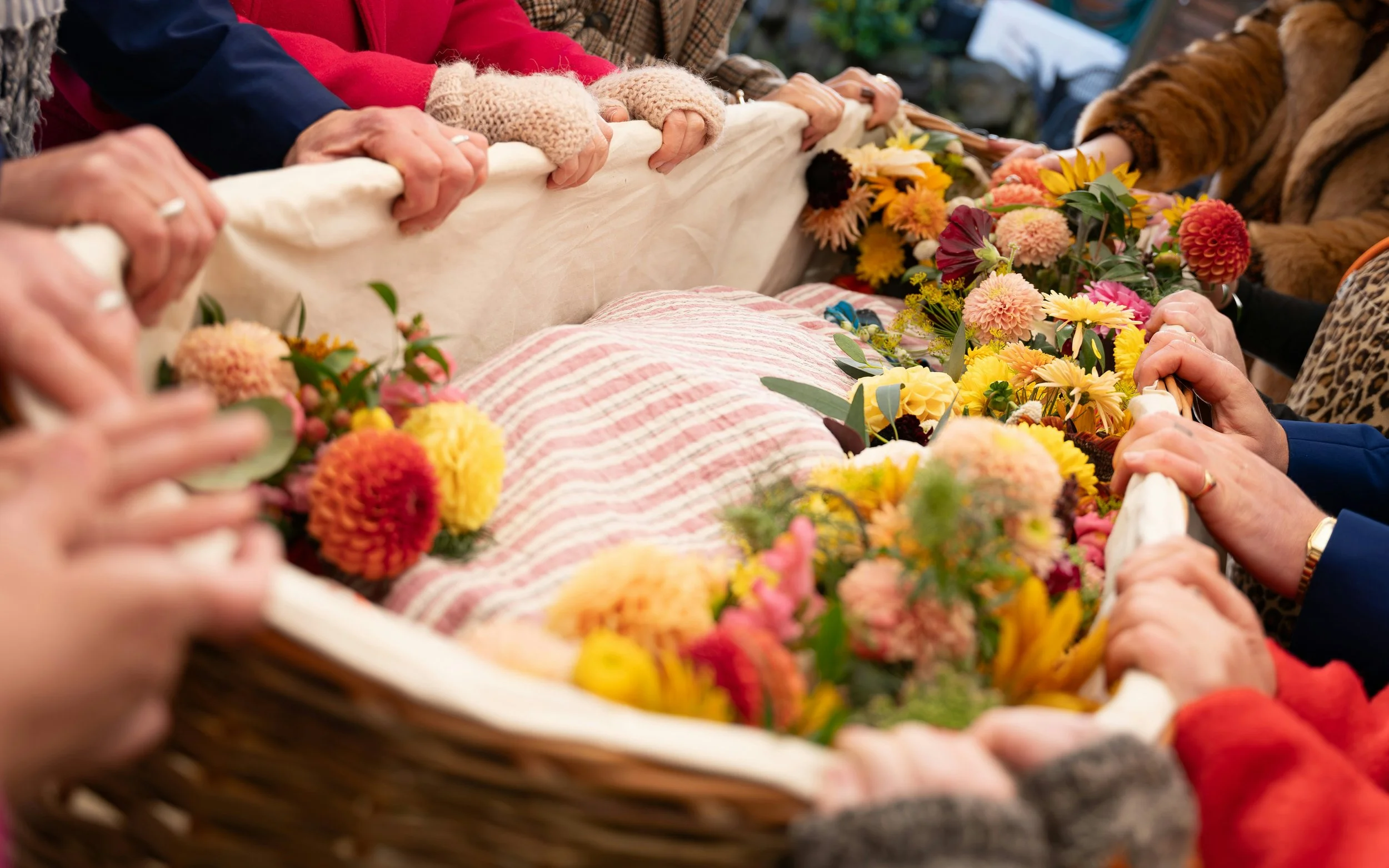
While many choose to undergo traditional fire cremation and then have their remains spread in soil, this may not have the desired outcome. Cremated ashes are not fertilizer. They have a high pH that can actually damage tree roots. Luckily, there is an alternative. With a non-casket burial, the body is wrapped in biodegradable linen and laid on top of materials like fungi, soil, and woodchips to promote natural decomposition. These nutrients feed tree roots nearby. Transcend offers this service in a beautiful forest in California that loved ones can visit. While spots in this forest are extremely limited, they are building a worldwide network to offer this service for more people. Learn more here.
Of course, this list is not exhaustive. As our natural resources deplete, and researchers develop innovative way to dispose of remains, more options will become available. Whatever you choose, what matters most is that you make an informed decision and leave clear instructions for your loved ones to follow.
Ready to make your end-of-life plan?
Learn more about how Holistic Estate Law Practice can help you build a comprehensive plan for your values, assets, and end-of-life wishes.